In the last blog, we reached the point where the change has landed, and the question becomes whether the business is performing. Key Performance Indicators (KPIs) link strategic plans to daily actions. They measure success and, when read properly, diagnose where the business needs attention. For SMEs and post-PMF start-ups, that link matters most: KPIs give you a cause-and-effect view of performance, so operational efficiency supports your financial goals and what is decided in the boardroom matches what happens on the shop floor. (OKRs, which prescribe the next move, get their own blog after this one.)
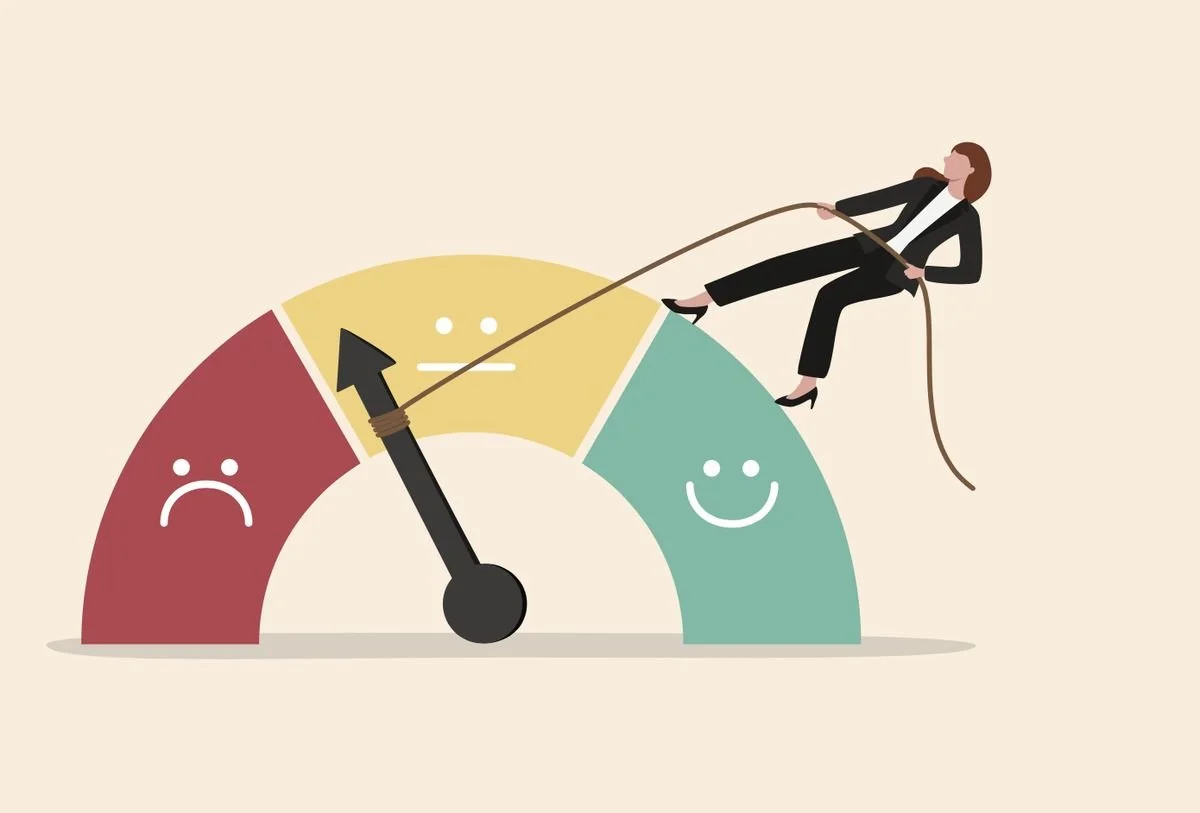
KPIs Are the Vital Signs of Your Business
Think of KPIs as the vital signs of a business: pulse, blood pressure, temperature, mood. They don’t tell you what to change. They tell you whether the business is healthy right now. KPIs measure established processes and current performance, and if they stay consistent over time, they track the status quo. That steadiness makes KPIs dependable for day-to-day decisions because they answer one question: Is the business healthy?
They also turn “I feel like things are going well” or ‘’we’re OK’’ into numbers your whole team can see and make sense of. That keeps people accountable and gives continuous improvement something solid to build on.
Common KPIs for SMEs and post-PMF start-ups include:
Financial health: net profit margin, current ratio, and cash runway indicate market success and liquidity.
Operational efficiency: order cycle time, system up-time, and rework rates reveal you how stable your processes are.
Workforce: employee turnover, training completion, and team pulse (a short monthly morale survey) gauge how structured, organised, and engaged the team is.
Safety compliance: near-miss reporting and recordable incident rates, which matter most in manufacturing and food production, assess workplace safety.
What Happens Without KPIs
Without KPIs, a business runs on managed guessing. Here is what tends to happen, roughly in the order the damage shows up:
You can’t tell what’s working. A new ad channel, a pricing change, a hiring push: each one becomes a faith-based bet. Without a signal, you can’t tell whether it moved the needle, made no difference, or perhaps made things worse. Decisions drift toward memory, gut feel, and the loudest voice in the room. Before the next change, pick the one number it should move (Step 1 below). Then you’ll know whether it worked.
Problems arrive as crises. Without tracking churn, margin, or cash runway, the first sign of trouble is a customer walking out, a missed payroll, or a supplier refusing credit. You end up reacting to fires instead of preventing them. A red line on each of these numbers (Step 3 below) turns surprises into warnings weeks earlier.
Every department defines success differently. Sales sees closed deals, operations sees output, finance sees cash in the bank. Without a shared scoreboard and standards, alignment stays aspirational instead of built into the business structure. You have to break organisational KPIs down into departmental and personal KPIs for key roles.
Customer experience slips unnoticed. Quality drops and delivery times stretch. The cause isn’t negligence. The numbers and standards that would flag it simply aren’t on the team's board. Customer journey and observation have a place here. Map the journey step by step, run a questionnaire to gather data on what matters to them, and identify drop-off points.
Growth breaks the system. This is the classic SME trap. At a small scale, the owner feels the business well enough to rely on intuition rather than instrumentation. Say, at US$ 2M in revenue, the owner can see (almost) everything. At US$ 10M, it’s impossible. Processes that manage volume at the earlier scale break, and issues stay invisible until they surface as a cash crunch or an unprofitable product line. The risk is that the business outgrows the owner’s instinct before the KPIs are in place.
If you can’t recite your top three KPIs from memory, you’re reacting to the business instead of steering it.
Why Post-PMF Is When KPIs Take Over

Before product-market fit, you’re testing. Metrics like CAC (Customer Acquisition Cost), NRR (Net Revenue Retention), and LTV (Lifetime Value) are either missing or too noisy to act on. Once you’ve validated that your product solves a problem for a market, the question shifts to “is the business healthy?”, and that’s where traditional KPIs earn their place.
Before product-market fit, you’re testing. Metrics like CAC (Customer Acquisition Cost), NRR (Net Revenue Retention), and LTV (Lifetime Value) are either missing or too noisy to act on. Once you’ve validated that your product solves a problem for a market, the question shifts to “is the business healthy?”, and that’s where traditional KPIs earn their place.
Fit also isn’t a one-time milestone. Markets shift, and a start-up can lose it. Track retention and churn continuously. They confirm the fit, or warn of a mismatch, before revenue makes it obvious.
Which KPIs matter depends on your business model: SaaS-style start-ups lean on retention and unit economics, while SMEs take a more traditional financial lens of sales, cash flow and repeat purchases. The job is the same: to tell you how the business you’ve built is running.
How to Set Up Your KPIs in Three Steps
Step 1: Pick one North Star. This is the single number that best signals you’re creating value, and everything else supports it. For a SaaS start-up, that’s monthly recurring revenue. For other start-ups, monthly active paying customers. For an SME, monthly revenue against target.
Step 2: Add three to five supporting KPIs. Keep the total under seven, or the signal gets lost. Cover the areas that matter most to your business. Start-ups often track growth, retention, revenue, efficiency, and runway. SMEs often track profitability, cash, collections, growth, and customer experience.
Step 3: Give each KPI a red line and an owner. The red line is a number: “if this crosses X, I act.” For cash runway, that means dropping below a set number of months. For churn, it means rising above a set percentage. The owner is a name: the person who looks at it and decides what happens next. If changing the number wouldn’t change a decision, drop the KPI.
It can be as simple as this.
A start-up can run on one Notion page or a one-tab spreadsheet, updated weekly.
An SME can use a one-page sheet its accountant fills in monthly, and if you’re on Xero or QuickBooks, most of the numbers come for free.
Two basic rules:
If you can’t explain each KPI to a new hire in one sentence, it’s too complex.
Keep it to six numbers in total: one North Star and up to five supporting KPIs. Track more, and you’re tracking, not managing.
→ Click the button, then choose Make a copy to get your own editable version. Fill in the yellow cells.
Where This Leaves You
A healthy business is a performing business, and KPIs are how you know it. Operational KPIs set clear performance expectations and goals for each department, function, and role, so every team knows what good looks like and how it feeds the whole. That is the holistic approach in practice: workflows and tools, the right people in the right roles, numbers that confirm the business is on the right track.
I focus on the processes behind the numbers. Once a business has proven its product, I help adapt its structure and build KPIs into the daily rhythm
My aim is to improve your business’s health through operational efficiency, working alongside teams and leadership, whether you’re a start-up past product-market fit or an established SME.
If you’d like to know what your business’s vital signs are saying, let’s talk.