Organisational Design and Operational Efficiency: The Role of the Business Integrator

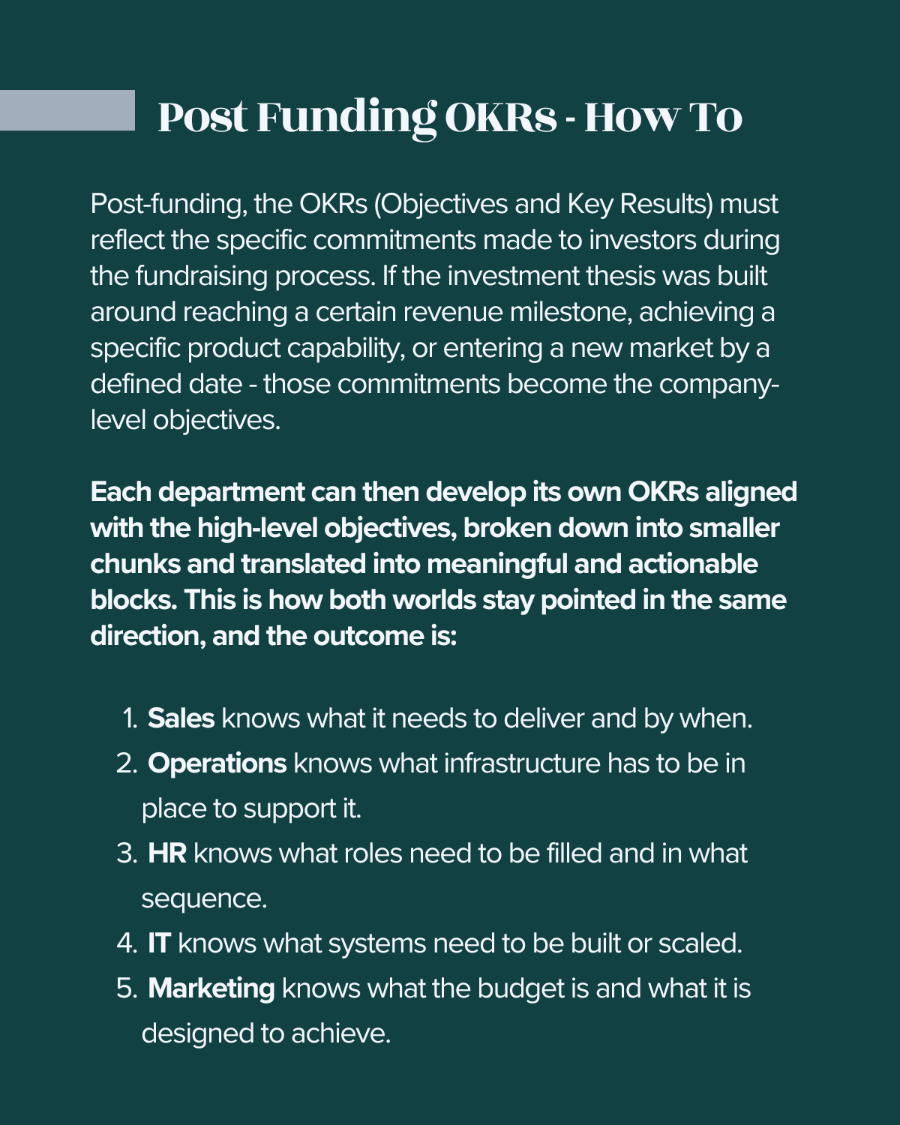
Most growing businesses face two main obstacles: unclear organisational structure and inefficient operations. Together, these challenges impede growth and highlight the need for a clear solution.

Businesses lacking intentional organisational design and operational efficiency often respond by hiring more staff, adding tools, or implementing recovery strategies. These actions rarely address root causes and typically increase complexity.

Strategic solutions such as organisational design, process clarity, and defined roles form the true basis for expansion. Identifying and prioritising these elements early sets the stage for sustained efficiency. To understand how these solutions build momentum for growth, it is essential to consider the Business Integrator, who drives foundational change rather than temporary fixes.

The necessary measures are:

  • Design and communicate structure.

  • Define roles & responsibilities.

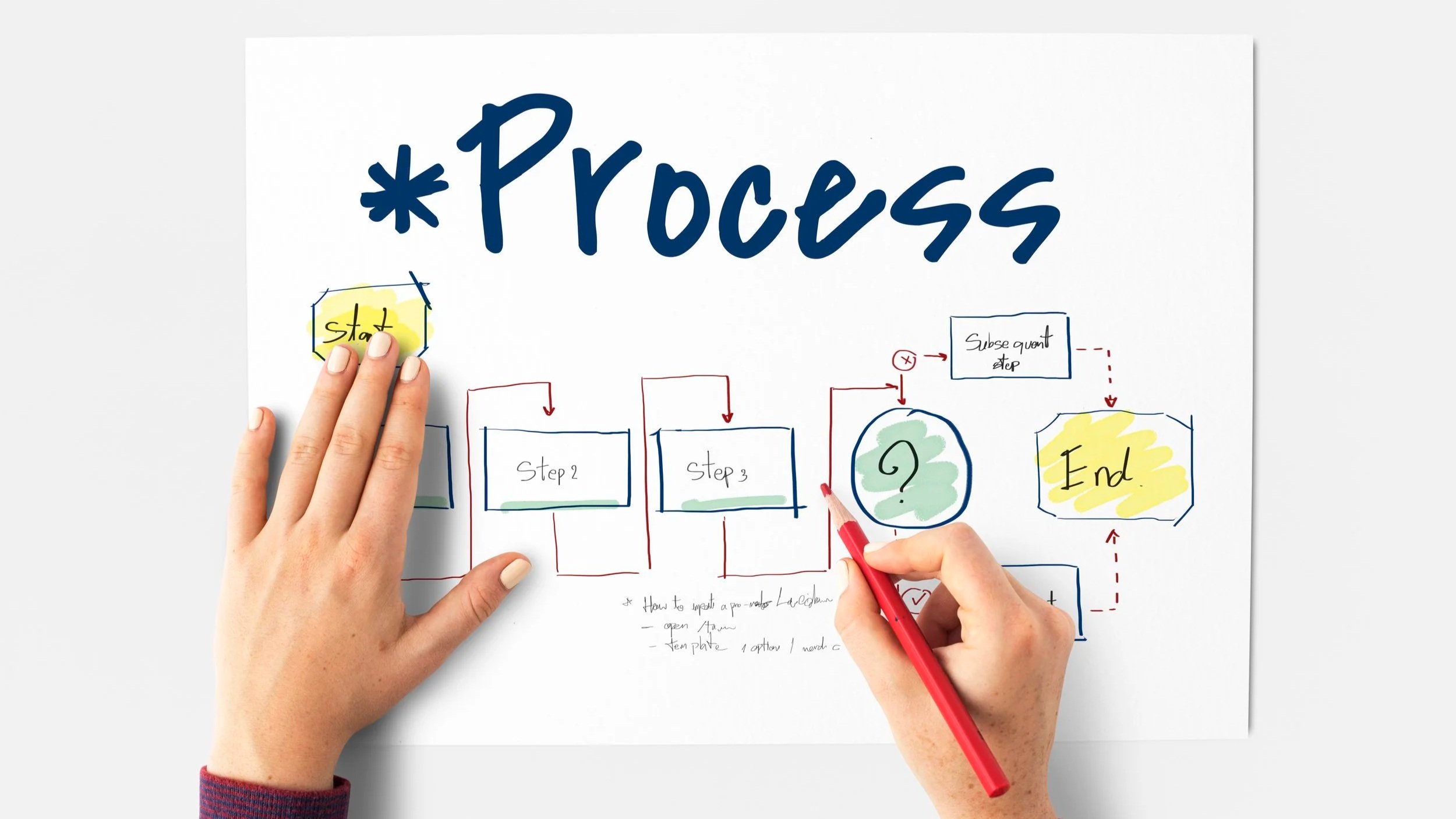
  • Describe processes and procedures.

  • Set the decision-making hierarchy.

  • Implement systems and software.

The Business Integrator comes in to help an organisation build a solid foundation by aligning its structure, processes, and people. By bringing these core elements together, the Integrator ensures day-to-day operations are efficient, responsibilities are clearly defined, and teams are set up to work cohesively. This creates immediate practical value for founders, allowing the business to function smoothly as it grows.

Starting With the Foundation: What is Organisational Design?

Organisational Design and Effectiveness is a strategic, multidisciplinary practice focused on aligning an organisation's structure, processes, people, and technology to achieve its mission and goals.

Let’s pause on the word “design”.

Design in business structure is not about drawing an org chart with job titles and reporting lines. It's about purposeful configuration of how work gets done inside a business — enhancing efficiency, adaptability, and stability.

When done well, the design creates the conditions for smooth operations. When absent or not tailored, the result is:

  • Duplicated work.

  • Unclear ownership.

  • Slow decisions.

  • Overstretched teams.

  • Extra cost.

  • A business that feels harder to run the bigger it gets.

This is why organisational design is the foundation of operational efficiency.

The Relationship Between Organisational Design and Operational Efficiency

Think of it as a plan and a result of taking an action = cause and effect.

Organisational design serves as the deliberate plan for structuring an organisation, guiding workflows, decision-making, and resource allocation to achieve its mission.

Operational efficiency is what happens when that blueprint is working:

  1. workflows that move without friction

  2. teams that execute with confidence

  3. resources that are used sustainably

The problem most SMEs and Startups face is that they create processes and business units without designing the organisation behind them. Then add roles, tools, and tasks, based on immediate needs rather than building a coherent body with a suitable workflow. Over time, the gaps between the moving parts widen. And operations turn into chaos.

A brief example:

The Scaling Wall

A fast-growing tech startup built its internal processes around a team of twelve. Within eighteen months, the team had grown to forty-five, with most team members spread across Europe and Southeast Asia. Management did not redesign the organisation to support such growth — roles overlapped, responsibilities blurred, workflows were outdated, and the communication habits that worked informally among twelve people created chaos at forty-five.

Research shows that expansion outpacing structure is one of the most common causes of operational breakdowns — companies scale faster than their systems can handle, and what once was fast and flexible becomes complicated and slow. The startup wasn't failing because of its people, product or market. It was failing because its organisational design wasn’t tailored for its ambition. The missing member was the integrator who configures the org. design to fit the growing business, adapting roles, processes and framework.


How Organizational Design and Operational Efficiency Are Linked

  • Organisational design focuses on what work is done and how it is structured to create value.

  • Operational efficiency focuses on how work is performed with minimal waste, time, and cost.

→ A well-designed structure ensures that resources are allocated where they create the most value.

Another explanation is offered by two distinct yet connected terms:

  1. Operational effectiveness dictates the correct value stream — doing the right things.

  2. Operational efficiency ensures those things are executed optimally — doing things right.

Proper organisational design makes both aspects feasible by streamlined processes and clear role definitions that leave no room for ambiguity or duplication.

There are three key mechanisms through which organisational design drives efficiency:

Structure and Boundaries: Designing the organisation to group people around core work prevents redundancies and eliminates bottlenecks, allowing teams to focus their energy on value-producing activities rather than navigating internal friction.

Process Optimisation: Effective organisational design identifies and removes inefficiencies in workflows, ensuring that information flows smoothly, decisions are made rapidly, and execution is a part of the culture.

Strategic Alignment: When the organisational structure genuinely matches the business strategy — whether that's cost leadership, differentiation, or rapid scaling — it creates the conditions for specific efficiency methods such as automation, lean management, or integrated systems to succeed. Without that alignment, even the best tools and processes will underdeliver.

Where the Business Integrator Sits

And why the role matters for SMEs and Startups

A Business Integrator (BI) sits at the critical intersection between organisational design and operations and can carry the title of interim COO or General Manager. BI is the primary force that brings a designed structure to life, ensuring it doesn't just exist on paper but functions efficiently in daily business practice.

The business Integrator acts as the operational backbone of a company, translating its vision into reality and configuring operations. They are the glue that holds the organisation together while it expands.

There are three dimensions to how a BI operates:

1. The Execution Bridge

Organisational design is the blueprint for structure, processes, accountability frameworks and technology. The BI is responsible for executing that design. They translate business strategy and planning into day-to-day actions, making all functions work cohesively toward the same goals.

In many small and medium businesses, this bridge between strategy and execution simply doesn't exist. Leaders come up with ideas, plan and make decisions at the top, while teams operate in the middle and bottom, and the gap between them is where the inefficiency lives.

2. The Efficiency Driver

The Business Integrator directly drives operational efficiency by managing the organisation's operating system. They identify and remove bottlenecks, streamline workflows, resolve conflicts between functions, and enforce the discipline and accountability that keep everything moving.

Their role is to empower resources to be used effectively, priorities to be followed through, and the organisation's energy to be directed where it creates the most value.

3. The Central Hub

Often compared to a Chief Operating Officer or described as the organisational glue, the BI sits at the centre of the leadership team. They integrate the major functions of the business — sales, marketing, operations, and finance — hold leaders accountable, and make the entire organisation operate with a cadence and focus required for high performance.

Gino Wickman, creator of the Entrepreneurial Operating System (EOS) and author of Traction, describes this as the person who holds the organisation's people, processes, systems, priorities, and strategies together — the steady force that makes the Visionary's ambitions executable.

The Map and the Driver

Perhaps the clearest way to understand the relationship between organisational design, operational efficiency, and the Business Integrator is through a simple analogy.

  • Organisational design provides the map.

  • The Business Integrator, together with the CEO, is in the cockpit — the person who navigates the terrain, overcomes obstacles, adapts to conditions, fixes and changes things, and together with the founders propels the organisation to reach milestones.

Why This Matters for SMEs and Startups Specifically

Large corporations typically have dedicated teams for organisational design and separate operational leadership structures to execute it. They have the headcount, the budget, and the institutional knowledge to keep these functions running.

For SMEs and Startups, it’s a different story.

In most growing small businesses, organisational design happens by accident — if it happens at all. Structure evolves by reaction. Processes are built to solve immediate problems rather than long-term functionality. Technology is added layer by layer without integration. And the person who should be managing it all — the Integrator — either doesn't exist, or is the founder, who is already doing everything else.

The result is a business that works hard but doesn't work well:

  • Grows in revenue but not in capability.

  • Is one step away from operational collapse.

Bringing in a BI, whether in a full-time, fractional, or consulting capacity, tackles these issues instantly. The introduction of organisational thinking and operational improvement transforms a busy, reactive business into a structured, efficient and scalable enterprise.

question: Is Your Business Designed to Expand — or Just to Survive?  

This is a question worth contemplating with honesty.

  • If your business has grown but your operations haven't been adjusted, meaning that your team is overstretched, workflows are unclear, and tools aren't delivering, the root cause is almost certainly the lack of organisational design and its execution.

  • This is a natural state most SMEs and Startups find themselves in during their life cycle. The businesses that break through are the ones that recognize the critical disconnect and bring in the right person to close it.

Do you need to configure your org design and operations?

What is a Business Integrator — and Does Your Enterprise Need One?

Many haven't heard of a 'Business Integrator.' It's not a common title, but for small-to-medium-sized enterprises and startups hitting an operational wall, this role could be exactly what’s missing.

The Problem No One Talks About Enough

Your business is growing. You have products and services, a team, clients, a vision, and a strategy. Yet suddenly, projects take too long, teams stay busy, but milestones slip, and digital tools don’t solve duplication and delays. This is not a people problem. And it's not a strategy problem.

It's an operational inefficiency problem. And it's more common than most business owners want to admit. The good news? It's fixable. And that's where a Business Integrator comes in.

So, what exactly is a Business Integrator?

A Business Integrator is a professional who works inside your business to align your four core operational layers — your structure, your processes, your people, and your technology — so they function as one coherent, efficient system rather than four separate moving parts pulling in different directions.

Think of it this way. Most growing businesses are built in layers — a little structure here, a process added there, a new tool introduced when something breaks down. Over time, these layers stop talking to each other. Workflows become outdated. Communication gaps appear. Digital tools get underused or duplicated. Teams become overstretched because no one has ever stepped back to look at how everything connects.

A Business Integrator steps back, looks at the whole picture, reads the strategy and key objectives and then gets to work building the connective tissue that makes everything work together.

The Concept Has Deep Roots

The idea of the Business Integrator is not new. Gino Wickman, creator of the Entrepreneurial Operating System (EOS) and author of Traction, defined the Integrator as the "second in command" to the Visionary — the person who holds the organisation's people, processes, systems, priorities, and strategies together while managing the day-to-day realities of running a business.

In Wickman's framework, the Visionary is the ideas person — bold, creative, and future-focused. The Integrator is the steady force that takes those ideas and turns them into reality. They harmonise the major functions of the business — operations, sales, marketing, and finance — and ensure everything executes as it should. In practice, this role often carries titles like COO, General Manager, or Chief of Staff.

What makes Wickman's work particularly relevant for SMEs and startups is his observation that only a small percentage of people naturally possess the combination of traits required to operate effectively as an Integrator — the organisational discipline, the resilience, the drive to execute, and the ability to hold a team and leadership accountable without losing the culture that holds everything together.

For growing businesses that don't yet have this function covered internally, the operational gap it leaves is significant. Strategies don't get executed. Teams lose alignment. Documents and data get decentralized, which makes operations and decision-making blind. The Visionary — usually the founder — ends up doing everything, which is precisely when execution and growth stall, and they burn out.

This is where a Business Integrator working in a consulting or fractional capacity fills a critical role. Rather than hiring a full-time COO or General Manager before the business is ready, SMEs and startups can bring in an experienced Business Integrator to build the systems, align the teams, and create the operational infrastructure needed to scale without the overhead of a permanent senior hire.

How is a Business Integrator Different from a Consultant?

This is the question that comes up most often — and it's a fair one.

A consultant typically comes in, assesses the situation, and delivers recommendations. They produce a report, a strategy document, or a set of action points. The report is often excellent. But then the consultant leaves, and the business is left to implement it alone — usually while still running day-to-day operations at full speed.

A Business Integrator works differently. The focus is not on delivering advice and stepping away. It's working alongside the business to actually build and implement the integrated systems it needs. The deliverable isn't a document. It's a functioning operation. Typically, an Integrator engagement lasts between three and six months, with the Integrator closely embedded in your business. This might mean working with your leadership team weekly, attending key meetings, sharing responsibility for driving operational changes, and providing hands-on guidance as new processes and systems are put in place. For founders and teams, this means real partnership, accountability, and visible results within a defined time-frame.

Where a consultant diagnoses, a Business Integrator solves and aligns.

The Four Layers a Business Integrator Works With

To understand what a Business Integrator actually does, it helps to understand the four operational layers they work across:

1. Structure - How is the business organised? Are roles and responsibilities clearly defined? Does the organisational structure support the way the business actually operates — or was it inherited from an earlier, simpler version of the company that no longer exists?

2. Processes - What are the workflows that drive the business forward? Are they documented, understood, and followed consistently — or do they exist only in the heads of specific team members? Undocumented processes are one of the most common reasons for operational inefficiency in growing start-ups and SME.

3. People - Do team members have clarity on what they own, what decisions they can make, and how their work connects to the bigger picture? Overstretched teams are rarely a capacity problem — they're almost always a clarity, communication and process problem in disguise.

4. Technology - What digital tools is the business using — and are they actually serving the business, or creating more complexity? Many SMEs accumulate tools over time without ever stepping back to ask whether they're integrated, whether they're being used properly, or whether some of them are doing the same job.

When all four of these elements are aligned and working together, there is a major shift. Decisions get made faster. Projects are created and launched. Projects run on time and within budget. Teams have more capacity and joy — not because they're working harder, but because they're no longer losing energy to friction, confusion, and duplication.

What Does Operational Inefficiency Actually Cost?

It's easy to think of operational inefficiency as a minor inconvenience — a few extra emails here, a delayed project there. But the cumulative cost is high.

  • Time spent on duplicated work is time not spent on important conversations.

  • Delays caused by unclear processes push back the revenue.

  • Team members who are overstretched and under-supported burn out or disengage.

  • And a business that can't execute cleanly at its current size will not suddenly execute better at a larger one.

Operational inefficiency doesn't just slow businesses down today. It actively prevents them from getting better tomorrow.

When Does an SME or Startup Need a Business Integrator?

Not every business needs a Business Integrator at every stage. But there are clear signals that the time has come:

1. You're growing, but it's getting harder, not easier. More clients, more team members, more complexity — but your systems haven't kept up.

2. Your team is always busy, but projects are still running over. This is a classic sign that processes and ownership structures need attention.

3. You've added tools to solve problems, but the problems remain. Technology is only effective when it's embedded in a clear and defined process. Without that, it adds complexity rather than reducing it.

4. You're preparing to scale, and you know your current operations won't hold. Scaling on a wobbly or broken system is not possible. It’s like wanting a grown man to wear a boy's outfit, shoes and ride a kid's bicycle.

5. You feel like the bottleneck in your own business. When the founder or CEO is the only person who knows how everything works, the business has a massive problem.

If any of these feel familiar, operational inefficiency is likely costing you more than you realize.

Gino Wickman’s Four Readiness Factors *

These four readiness factors indicate that it may be time for the Visionary (Start-up or SME founder) to get an Integrator for their business:

1. Financial​: You can afford to pay an Integrator.

2. Psychological​: You are ready to give up some control.

3. Lifestyle​: You want to work fewer hours or focus less on day-to-day management.

4. Unique​ ​Ability​: You want to embrace the Visionary personality to the max.

* Source: Rocket Fuel, Gino Wickman and Mark C. Winters

What Working With a Business Integrator Looks Like

Every engagement is different because every business is different. But the general approach follows a consistent logic.

1. It begins with a thorough operational audit — mapping how the business currently works across its structure, processes, people, and technology. Not how it's supposed to work on paper, but how it actually works in practice. The gap between those two things is almost always where the inefficiency lives.

2. From there, the Business Integrator works with the leadership team to prioritize what needs to change, in what order, and how. Implementation is collaborative — changes are built with the team, not handed down to them. This matters because sustainable operational change requires buy-in, not just compliance.

3. The outcome is a business with optimized workflows, clear processes, aligned teams, and technology that actually serves its mission. A business that is operationally ready to expand.

The Goal: Optimized Workflows and Scaling Readiness

Ultimately, the work of a Business Integrator is about more than fixing what's broken today. It's about building operations that are fit for where the business is going. An SME or Startup that has aligned its structure, processes, people, and technology is not just more efficient in its day-to-day. It's more resilient, scalable, and capable of executing on its ambitions without being held back by internal friction.

Is Your Business Ready to Operate at the Next Level?

If you recognize your business in any parts of what you've read here — the operational friction, the overstretched team, the tools that aren't delivering, the sense that growth is getting harder — it may be time to look seriously at how your operations are set up.

A Business Integrator doesn't just help you run better today. They help you build the foundation for everything that comes next.


Ready to explore what Business Integration could look like for your business?

Book a free 30-minute discovery call.